


Online: Vipassana Meditation Daylong – Understanding the Mind
with Melissa McKay
Saturday, April 29th, 2023 | 11:00am – 4:00pm ET with 1hr break
“If you want to understand the mind, sit down and observe it.” – Anagarika Munindra
There is no scientific tool to observe the mind. The only way to do it is in the first person – and Vipassana meditation is a powerful instrument we can use to understand the mind.
Join meditation teacher Melissa McKay for this day of practice of Vipassana (insight) meditation. Together we will develop mindfulness and concentration to explore our minds to understand them and ourselves more deeply.
There will be instruction, questions and answers, and lots of time to practice together. This program is appropriate for both beginner and more experienced students.
Registration:
Please register at the highest level that your generosity offers.
Explanations of levels follow below.
If you are registering via a mobile device such as a phone or tablet, you can scroll right and left and up and down within the below form if it is partially obscured or cut off.
CLICK HERE to open the registration form in a new browser window.
Please contact [email protected] if you need assistance.
Registration Fees include Teacher Support
New York Insight Meditation Center has streamlined the registration fee levels. Members of our Circle of Friends are eligible to receive 20% off of the Sustaining Rate via a code provided in the email confirming membership, which you can enter after clicking the Sustaining Level registration.
*Benefactor Level: Supports NYI’s ability to offer the Subsidized Base.
**Sustaining Level: This level reflects the actual costs to support this program. Circle of Friends members eligible for 20% discount with code. Click here to join.
***Subsidized Base: Made possible by the generosity of Benefactor Level above and other donations to ensure participation by those requiring financial assistance.
If you have questions about your registration (cancellation policy, membership discount, email confirmation, etc.), please read our FAQs. If your question is not addressed in the FAQs, please email [email protected].
If you are unable to pay the Subsidized Base Fee, you can learn about volunteering to offer work exchange and letting us know how much you are able to pay for this program by emailing [email protected].
Please note that New York Insight records online programs. The recorded content may be discoverable should a legal matter arise.
By registering, I give New York Insight permission to use my text/video/audio for educational or other purposes for the duration of New York Insight activities going forward.
If you have any questions, please contact [email protected].
Teacher(s)
Melissa McKay
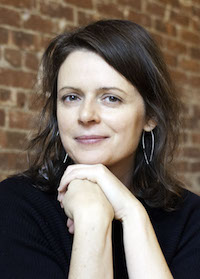 Melissa began her path of meditation in 1998 with a small group of dedicated practitioners in Oakland, CA with her beloved, though not known, teacher named Barbara Janus who introduced her to the teachings of Sayadaw U Pandita of Burma. Her first retreat was with Sayadaw U Pandita and the profound changes she saw in herself gave her a strong faith and dedication to the practice. She practiced with Sayadaw and his monks at centers in the U.S. and Burma. She met Bhante Khippa Pano of Vietnam in 2000 and he became her main teacher. She continues to attend intensive meditation retreats yearly and has trained for over 10,000 hours.
Bhante gave her permission to teach, and since 2003. She has taught at centers all over the United States.
Jack Kornfield has said of her, “Melissa is one of the most experienced practitioners of the new generation of teachers.” And Lodro Rinzler, “Melissa has a skillfulness in making esoteric teachings relatable to modern day living.”
After nearly two decades in New York City, she now resides in Las Vegas with her family.
For more information visit www.melissamckay.net.